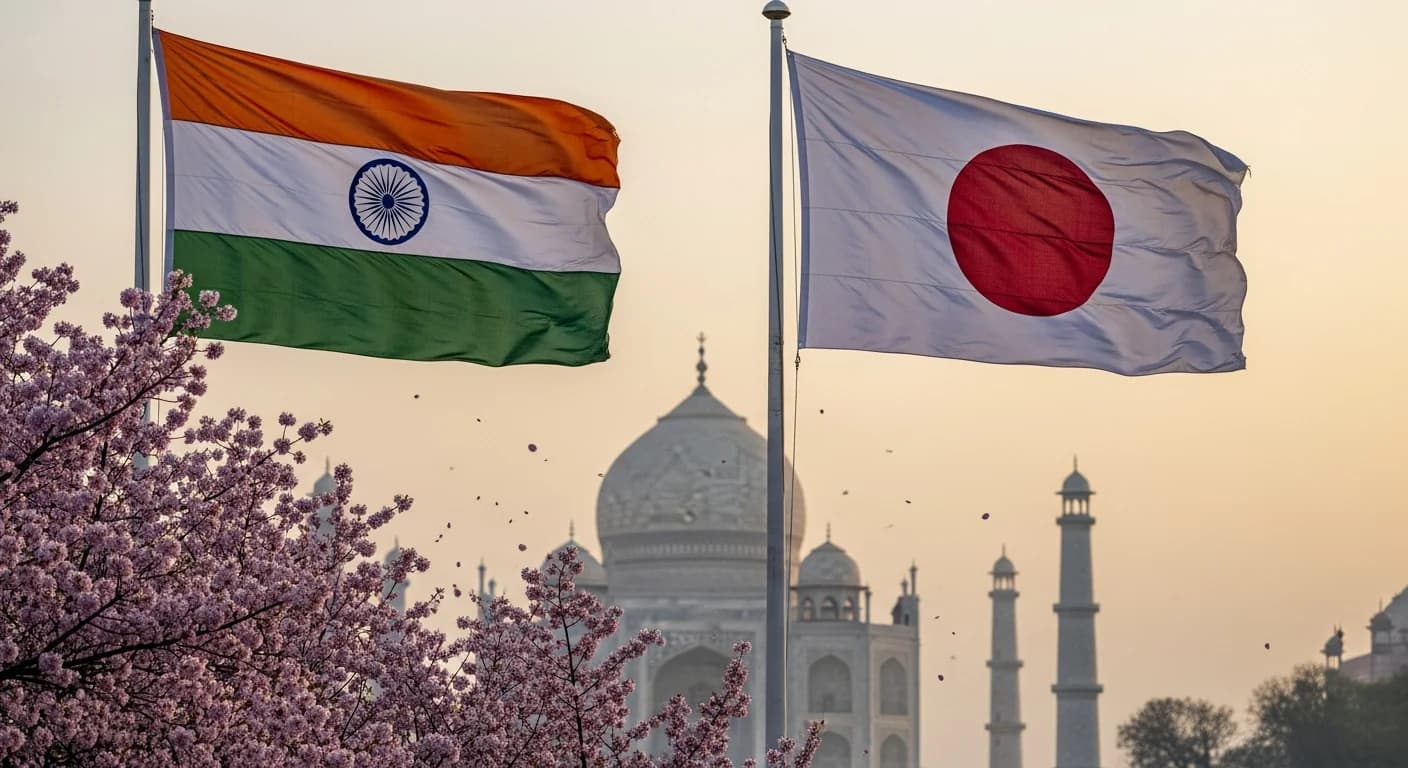
Forging Stronger Bonds: PM Modi's Japan Visit 2025 Focuses on Tech, Defence, and Indo-Pacific Security
Prime Minister Narendra Modi is slated to visit Japan in 2025, a trip anticipated to further cement the strategic partnership between India and Japan. The visit is expected to concentrate on key areas including technological collaboration, enhanced defence cooperation, and strengthening the shared vision for a stable and prosperous Indo-Pacific region. This visit holds significant importance for India, particularly in light of the evolving geopolitical landscape and the need for reliable partnerships to address regional and global challenges.
Deepening the India-Japan Strategic Partnership
India and Japan share a special strategic and global partnership, underpinned by shared values, democratic principles, and a commitment to a rules-based international order. This partnership has steadily deepened over the years, encompassing various sectors from economic cooperation to defence and security. High-level visits, such as Prime Minister Modi's upcoming trip, play a crucial role in providing strategic direction and momentum to this vital relationship.
The 2025 visit is expected to build upon the progress made in previous engagements and explore new avenues for collaboration. Key areas of focus will likely include:
- Technology and Innovation: With India's growing digital economy and Japan's technological prowess, the visit will explore ways to enhance cooperation in areas like semiconductors, artificial intelligence, 5G/6G, and cybersecurity.
- Defence and Security: Given the shared security concerns in the Indo-Pacific, strengthening defence cooperation will be a high priority. This could involve joint military exercises, technology transfers, and collaboration in defence equipment manufacturing under the 'Make in India' initiative.
- Economic Cooperation: Japan is a significant investor in India, and the visit aims to further promote Japanese investments in sectors like infrastructure, manufacturing, and renewable energy. Discussions on streamlining investment processes and addressing regulatory hurdles are also expected.
- Connectivity Projects: India and Japan are collaborating on various connectivity projects in the Indo-Pacific region, including infrastructure development in Northeast India and other regional initiatives. The visit will likely review the progress of these projects and explore new opportunities for collaboration.
Focus on Technology and Innovation: A Key Driver for Growth
India's ambition to become a global technology hub aligns perfectly with Japan's strengths in innovation and advanced technologies. The 2025 visit provides an opportunity to create concrete pathways for collaboration in emerging technologies. Specifically, the focus could be on:
- Semiconductors: Establishing a resilient semiconductor supply chain is a priority for both countries. The visit could explore possibilities for joint ventures in semiconductor manufacturing, research and development, and talent development.
- Artificial Intelligence (AI): India's vast data pool and Japan's AI expertise can be leveraged for developing innovative solutions in areas like healthcare, agriculture, and smart cities.
- 5G/6G: Collaborating on the development and deployment of next-generation telecommunication technologies is crucial for maintaining a competitive edge. The visit could facilitate technology sharing and joint research projects in this domain.
- Cybersecurity: Given the increasing cyber threats, enhancing cybersecurity cooperation is essential. This could involve information sharing, joint training exercises, and collaboration in developing cybersecurity standards.
Enhancing Defence Cooperation for a Secure Indo-Pacific
The Indo-Pacific region is witnessing increasing geopolitical complexities, making enhanced defence cooperation between India and Japan all the more critical. The visit is expected to explore ways to further strengthen defence ties through:
- Joint Military Exercises: Regular joint military exercises, such as 'JIMEX' (maritime exercise) and 'Dharma Guardian' (army exercise), enhance interoperability and build mutual trust. The visit could explore expanding the scope and complexity of these exercises.
- Technology Transfers: Facilitating technology transfers in defence equipment manufacturing can boost India's defence capabilities and promote self-reliance.
- Collaboration in Defence Equipment Manufacturing: Encouraging joint ventures in defence equipment manufacturing under the 'Make in India' initiative can create synergies and reduce dependence on external suppliers.
- Maritime Security: Sharing information and coordinating efforts to ensure maritime security in the Indo-Pacific region is vital for maintaining freedom of navigation and countering piracy.
Economic Partnership: Investing in India's Growth Story
Japan is one of the largest investors in India, contributing significantly to its economic growth. The 2025 visit aims to further promote Japanese investments in key sectors. This will likely involve discussions on:
- Infrastructure Development: Japan has been a key partner in India's infrastructure development, including projects like the Dedicated Freight Corridor and the Mumbai-Ahmedabad High-Speed Rail. The visit could explore new infrastructure projects and funding mechanisms.
- Manufacturing: Encouraging Japanese companies to set up manufacturing units in India under the 'Make in India' initiative can boost domestic production and create employment opportunities.
- Renewable Energy: Collaborating on renewable energy projects, such as solar and wind power, can help India achieve its clean energy targets.
- Streamlining Investment Processes: Addressing regulatory hurdles and simplifying investment processes can further attract Japanese investments.
Addressing Regional and Global Challenges
Beyond bilateral cooperation, India and Japan share a common vision for a stable and prosperous Indo-Pacific region. Both countries are committed to promoting a rules-based international order, freedom of navigation, and peaceful resolution of disputes. The visit will provide an opportunity to discuss regional and global challenges, including:
- Indo-Pacific Security: Coordinating efforts to ensure maritime security and stability in the Indo-Pacific region is a shared priority.
- Climate Change: Collaborating on climate change mitigation and adaptation efforts is essential for addressing this global challenge.
- Global Health Security: Strengthening cooperation in global health security, including pandemic preparedness and response, is crucial in the post-COVID-19 world.
- Multilateral Cooperation: Working together in multilateral forums like the United Nations, G20, and East Asia Summit to address global challenges.
The Indian Perspective: What Does This Mean for India?
Prime Minister Modi's visit to Japan in 2025 is of immense significance for India. It offers an opportunity to:
- Boost Economic Growth: Increased Japanese investments can drive economic growth and create employment opportunities in India.
- Enhance Technological Capabilities: Collaboration in emerging technologies can help India become a global technology hub.
- Strengthen National Security: Enhanced defence cooperation can bolster India's national security and protect its interests in the Indo-Pacific region.
- Promote Regional Stability: Working together with Japan can contribute to peace and stability in the Indo-Pacific region.
Conclusion: A Partnership Poised for Progress
Prime Minister Modi's upcoming visit to Japan in 2025 signifies the continued commitment of both nations to strengthening their strategic partnership. With a focus on technology, defence, economic cooperation, and regional security, the visit is expected to chart a course for even greater collaboration in the years to come. For India, this partnership represents a vital pillar of its foreign policy, offering significant opportunities for economic growth, technological advancement, and enhanced national security in an increasingly complex world. The visit will be closely watched for tangible outcomes and the next steps in this evolving and crucial relationship.