Arctic Experiences Hottest Year on Record in 2024, NOAA Reports
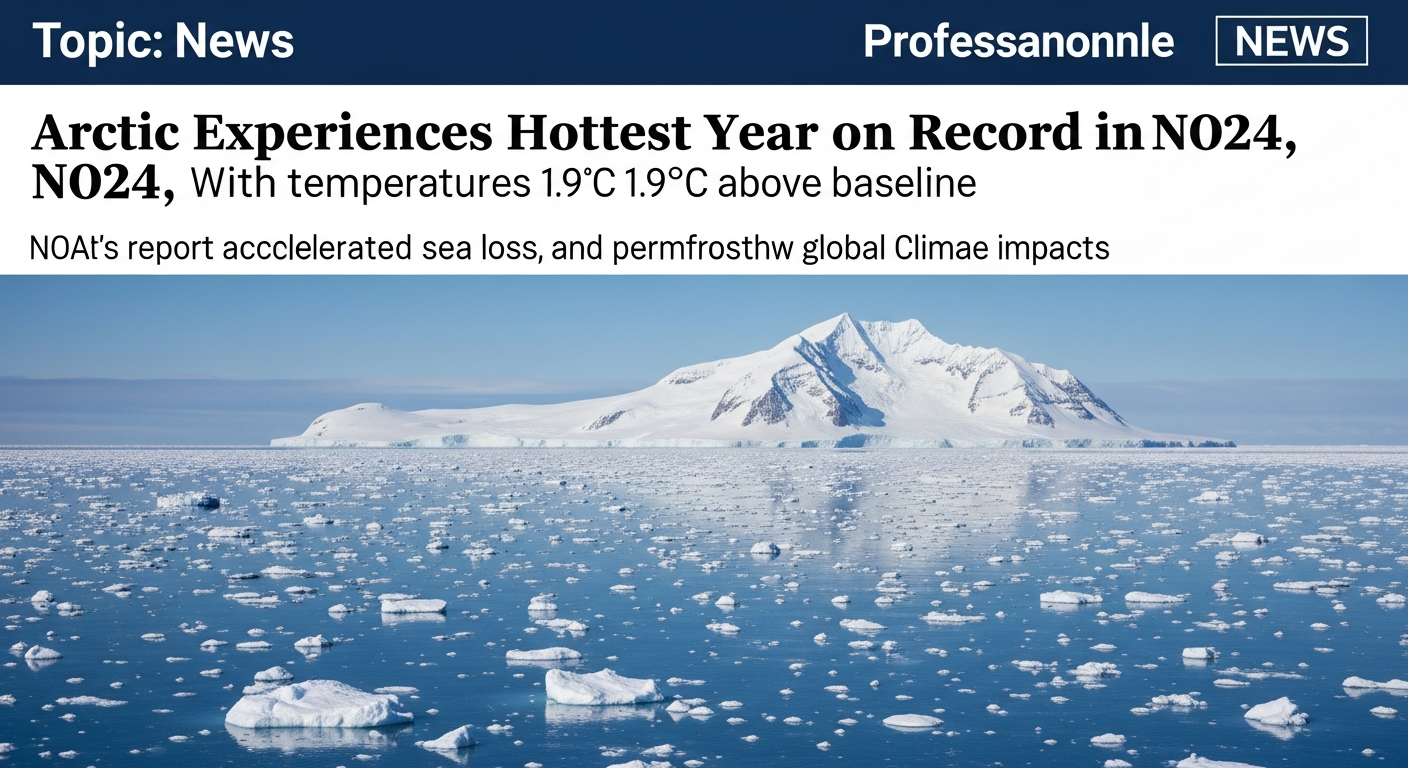
Arctic Warming at Alarming Rate in 2024
The Arctic region has documented its highest annual temperatures ever in 2024, based on findings from the National Oceanic and Atmospheric Administration's (NOAA) latest Arctic Report Card. Average temperatures were recorded at 1.9 degrees Celsius above the baseline period from 1991 to 2020.
Environmental Impacts and Global Consequences
Sea ice coverage diminished to its second-lowest level in recorded history, while permafrost thawing quickened significantly in areas like Siberia and Alaska. Researchers emphasize that the rapid warming of the Arctic, which is occurring almost four times faster than the global average, is influencing worldwide weather systems. This includes more severe cold outbreaks extending into southern regions and increased intensity of rainfall and snowfall events.
The ongoing changes in the Arctic have profound consequences for global sea levels and broader climate stability, according to the scientific assessment.